Stirling Castle, Loch Lomond from Edinburgh
Tour Overview
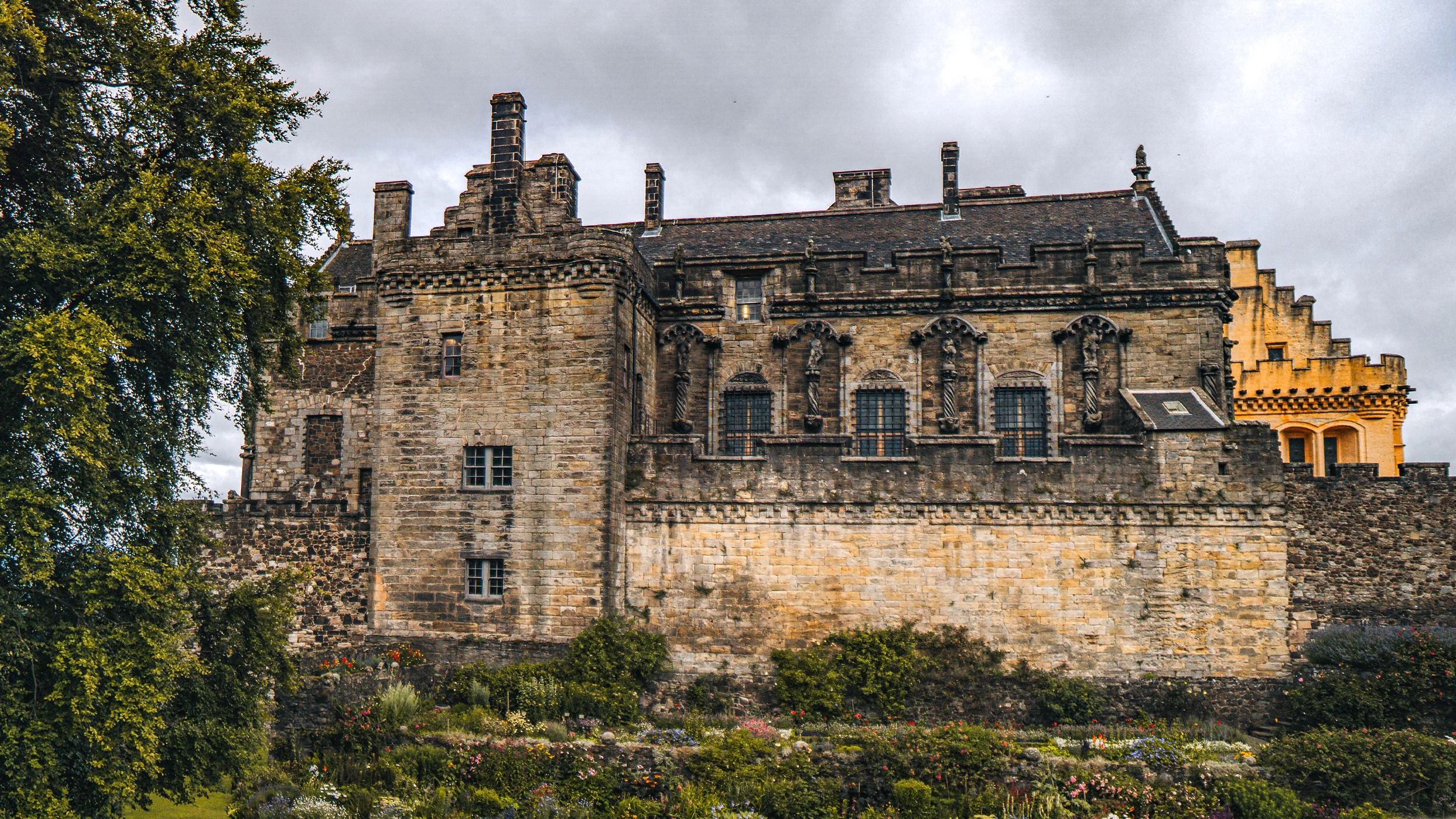
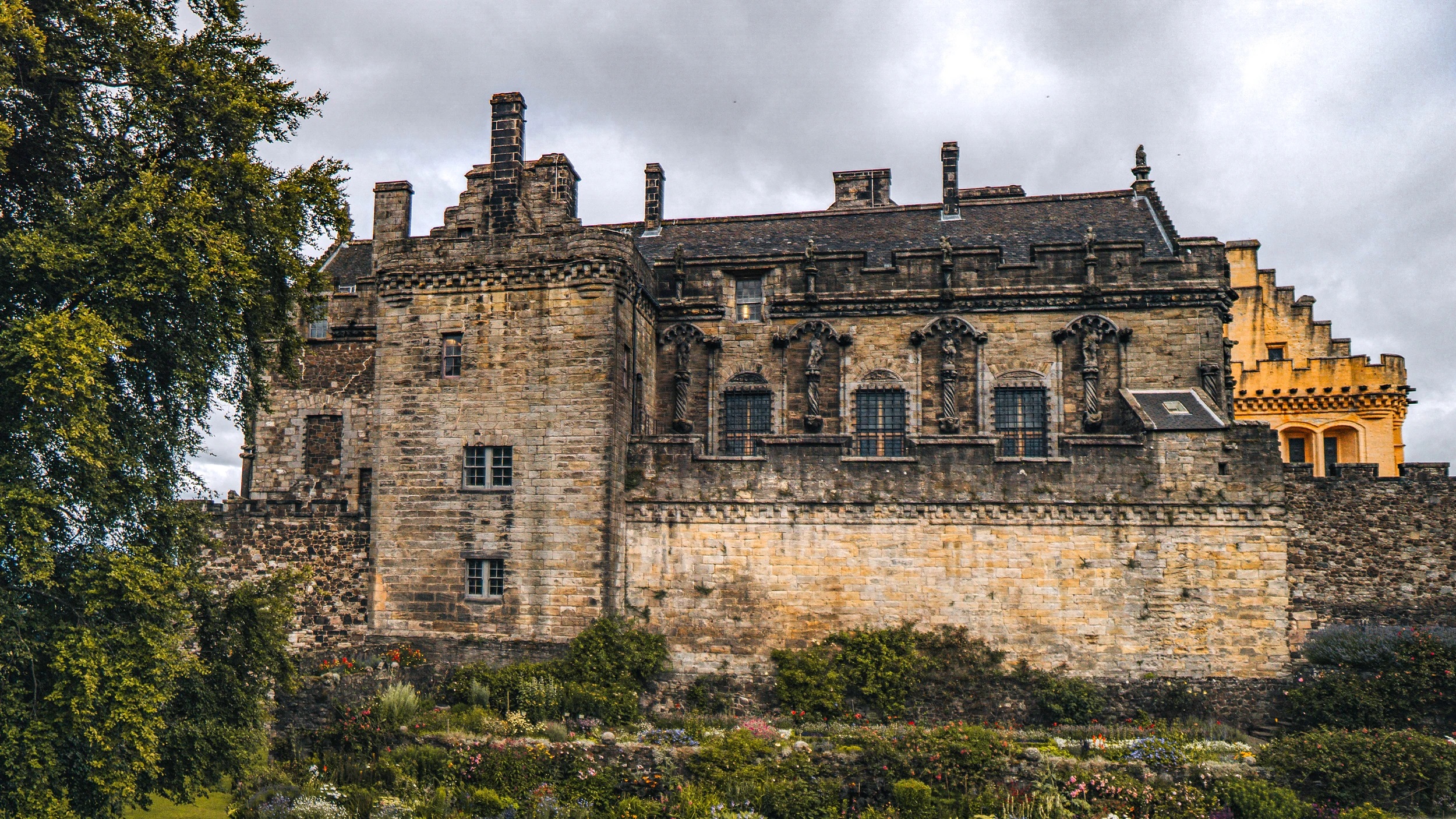
Stirling Castle
Stirling Castle, located in Stirling, is one of the largest and most historically and architecturally important castles in Scotland. The castle sits atop an intrusive crag, which forms part of the Stirling Sill geological formation. It is surrounded on three sides by steep cliffs, giving it a strong defensive position. Its strategic location, guarding what was, until the 1890s, the farthest downstream crossing of the River Forth, has made it an important fortification in the region from the earliest times.
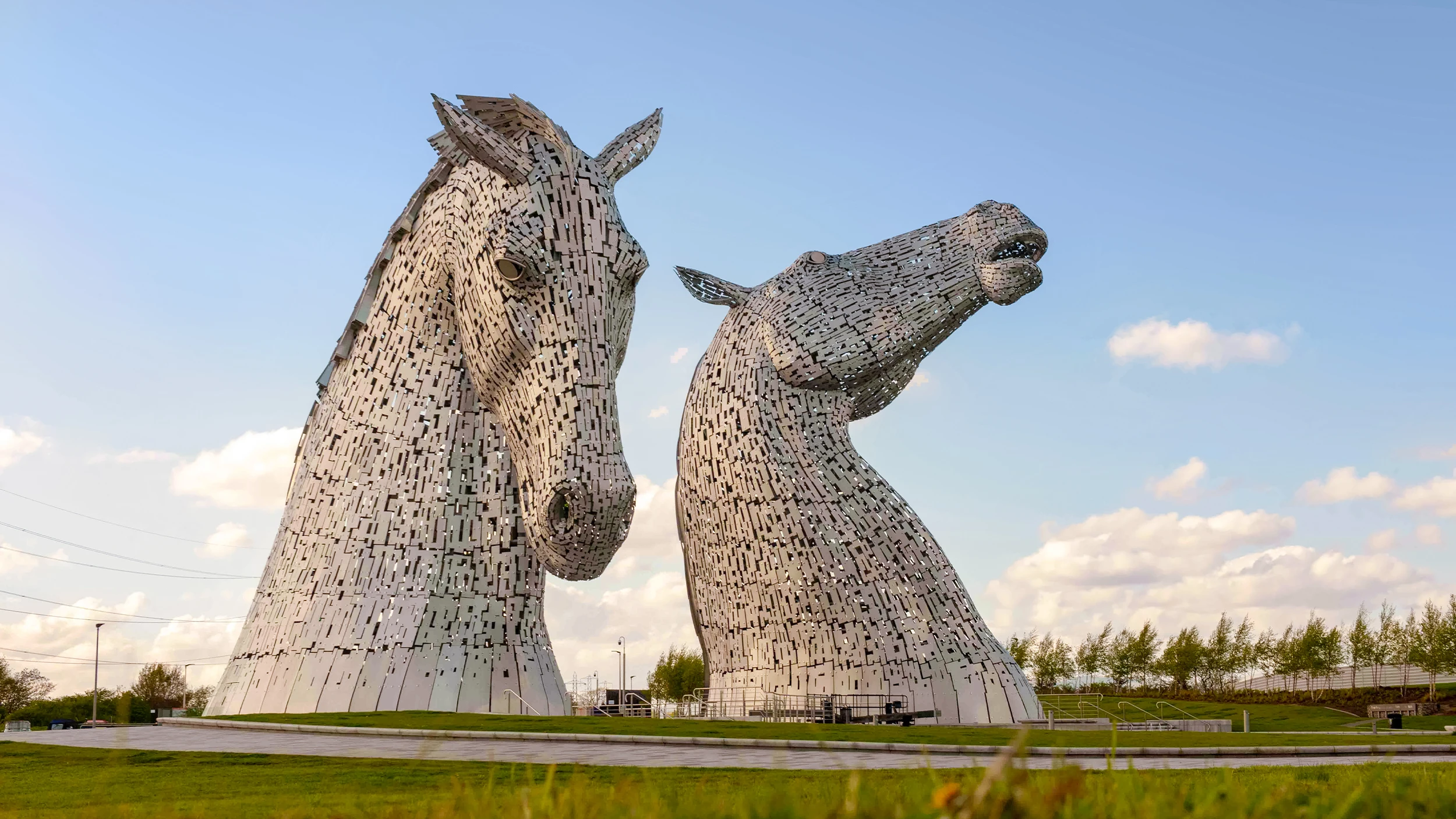
Kelpies Monument
The Kelpies are a pair of monumental steel horse-heads between the Scottish towns of Falkirk and Grangemouth. They stand next to the M9 motorway and form the eastern gateway of the Forth and Clyde Canal, which meets the River Carron here
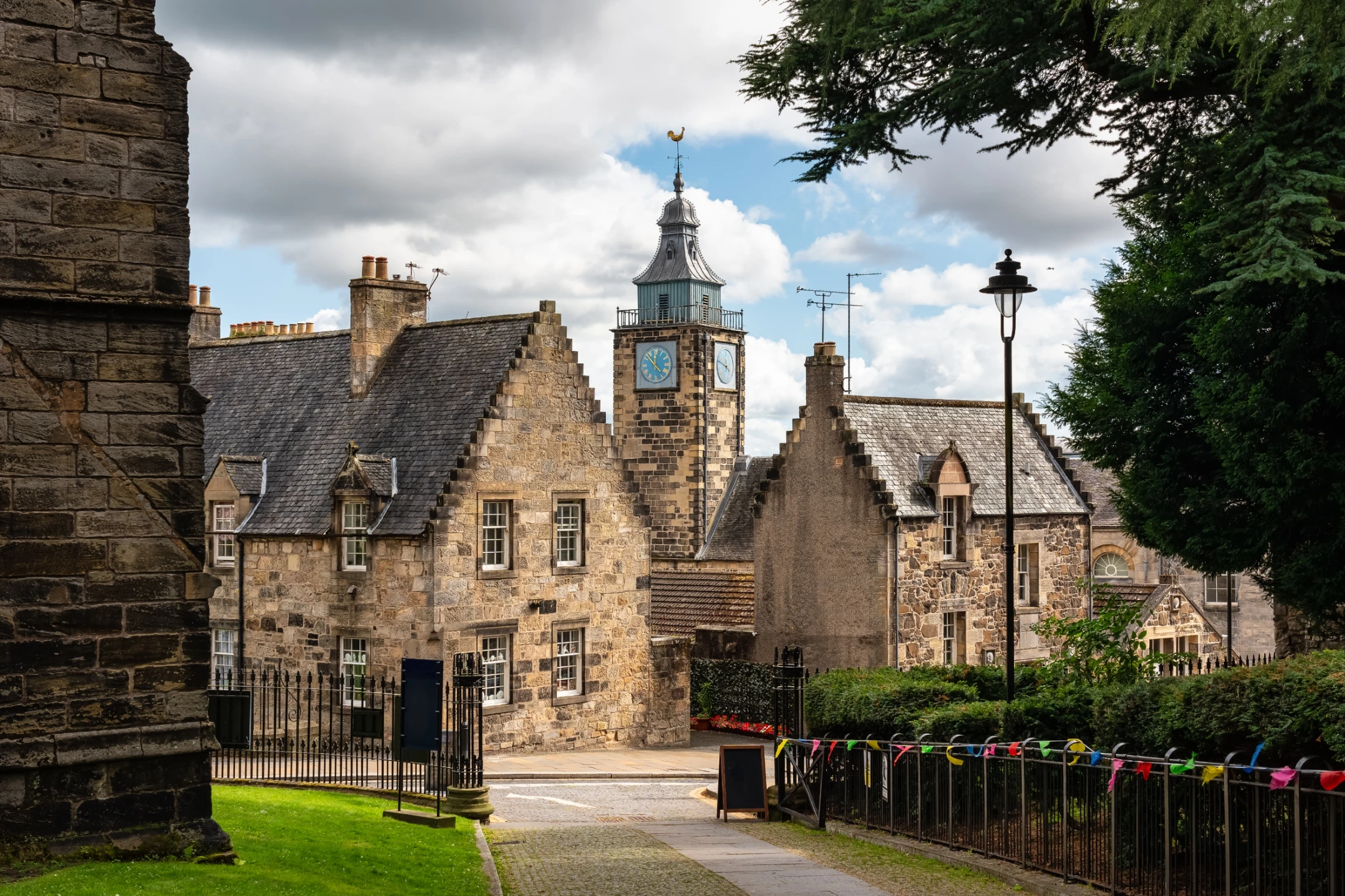
Stirling
Stirling is a city in central Scotland. At the heart of its old town, medieval Stirling Castle is on a craggy volcanic rock. On the Abbey Craig outcrop, the National Wallace Monument is a 19th-century tower. It overlooks the site of the 1297 Battle of Stirling Bridge, where William Wallace defeated the English.
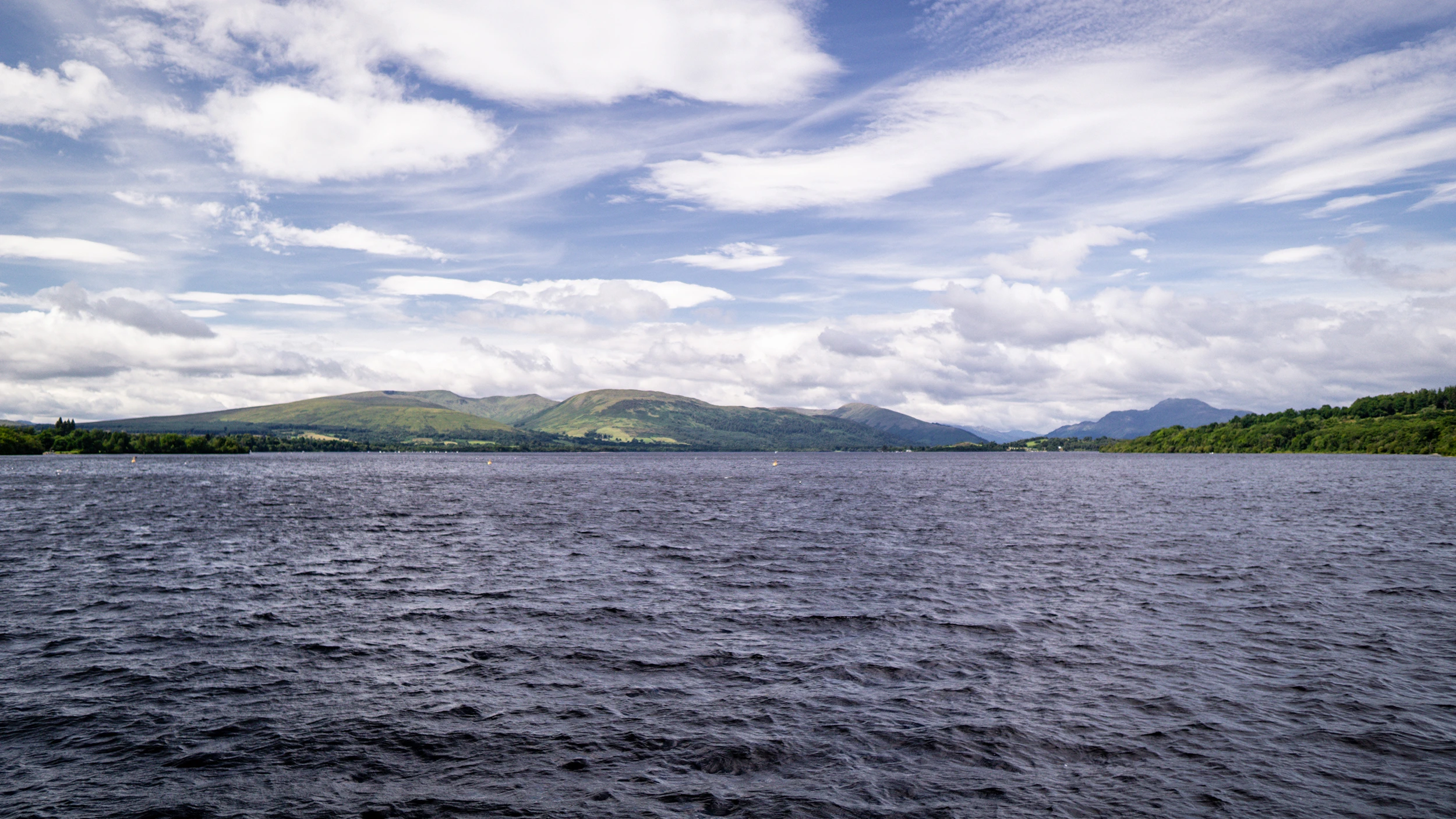
Loch Lomond
Loch Lomond is the largest freshwater expanse in mainland Britain by surface area, located in southern Scotland within the Loch Lomond & The Trossachs National Park. Famous for its dramatic scenery, over 30 islands, and proximity to Glasgow (approx. 1 hour drive), it is a popular destination for boating, walking, and swimming.
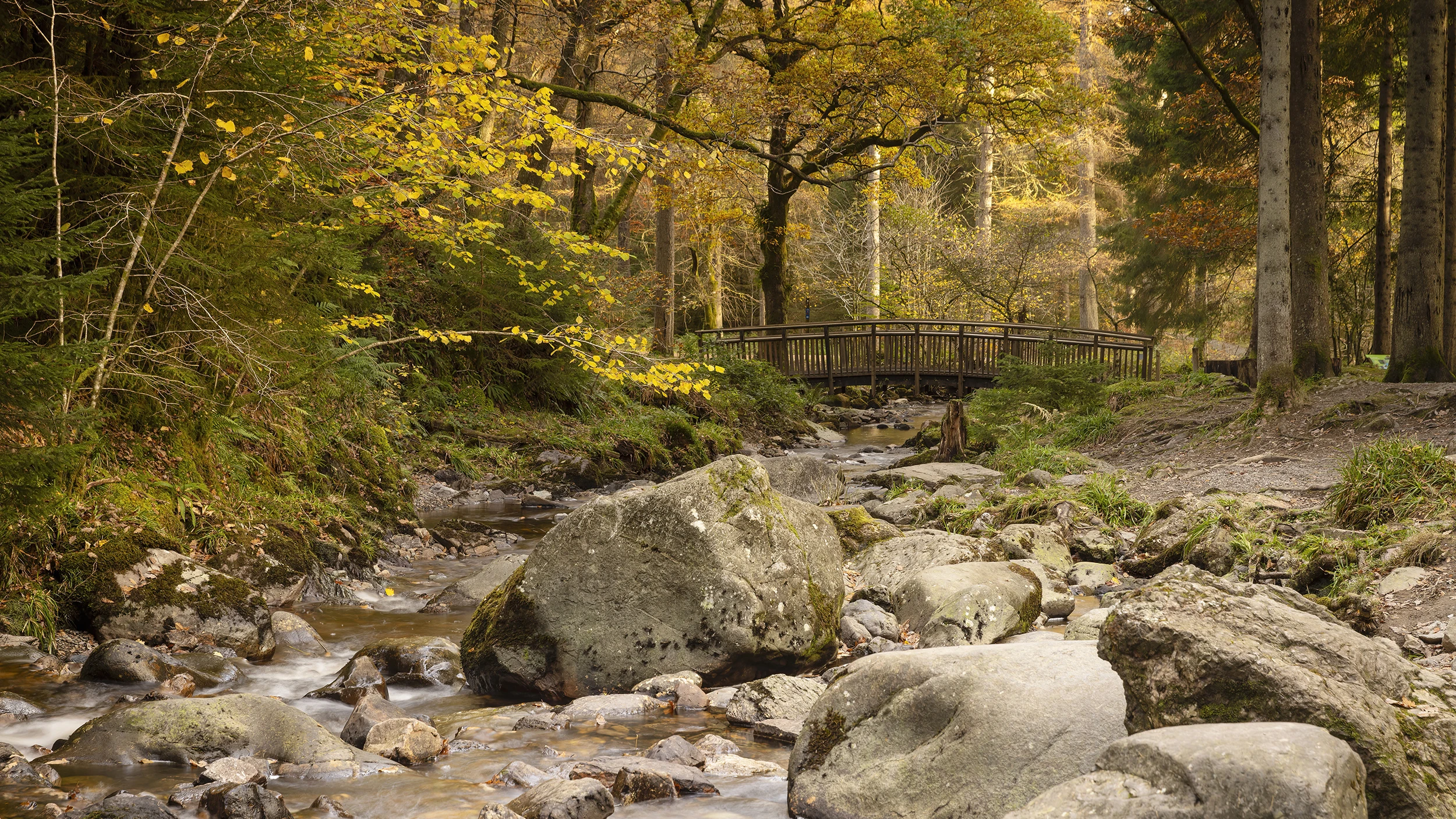
Aberfoyle
Aberfoyle is a village in the historic county and registration county of Perthshire and the council area of Stirling, Scotland. The settlement lies 27 miles north of Glasgow. The parish of Aberfoyle takes its name from this village, and had a population of 1,065 at the 2011 census.
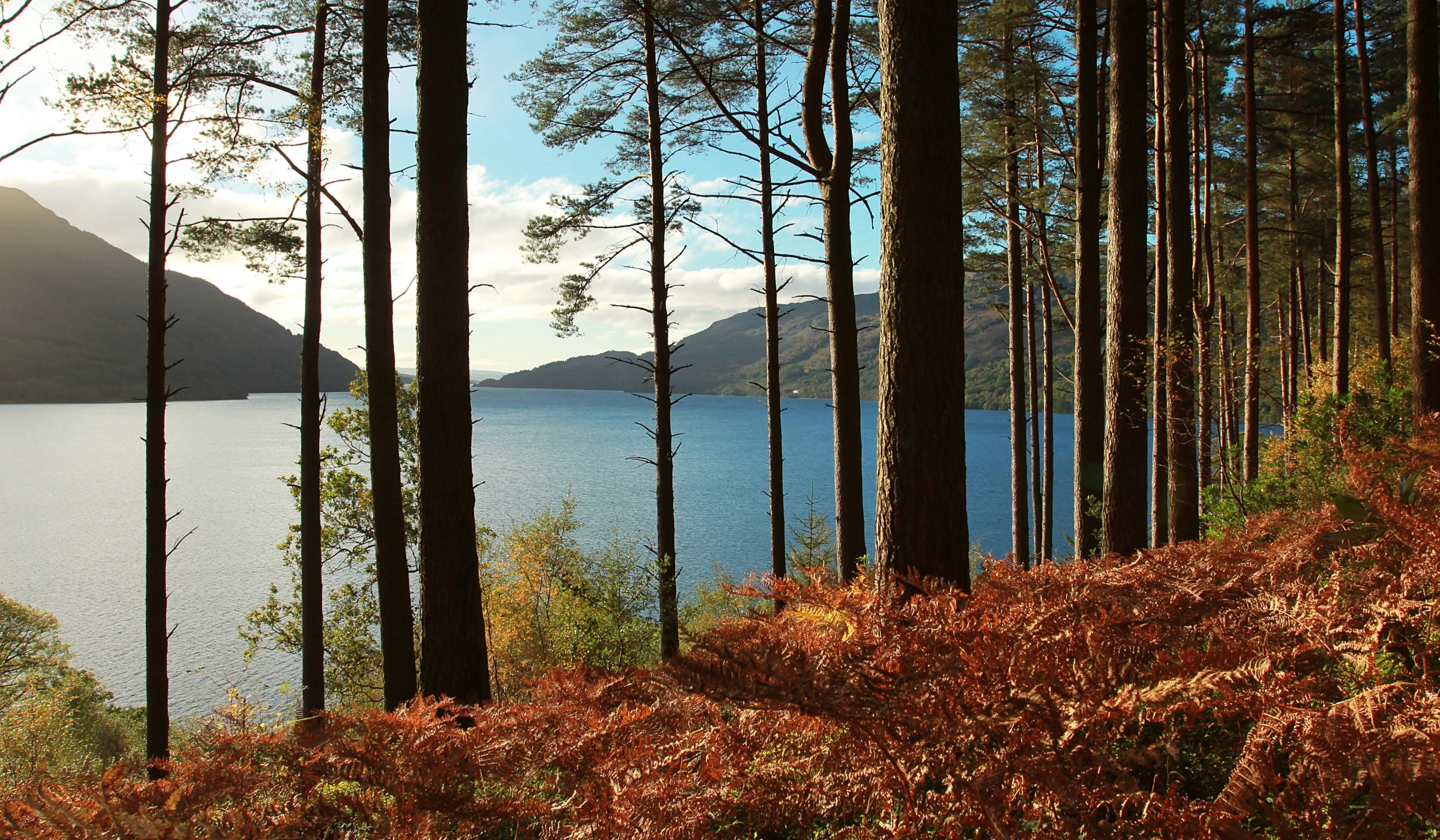
The Trossachs
The Trossachs ; Scottish Gaelic: Na Tròiseachan) generally refers to an area of wooded glens, braes, and lochs lying to the east of Ben Lomond in the Stirling council area of Scotland. The name is taken from that of a small woodland glen that lies at the centre of the area, but is now generally applied to the wider region
What's Included in Your Tour
Included Services
- Water
- Food break
Not Included
- Site Admissions
Reservation
Make Reservation



 © 2026
pickupedinburgh.com.
© 2026
pickupedinburgh.com.





















 Invite Gmail Contacts